Muscle Gain
Gaining muscle involves a combination of proper nutrition, targeted exercise, adequate rest, and consistency. Here are some tips to help you build muscle effectively.
Eat a Balanced Diet: Ensure you’re consuming enough protein to support muscle growth. Aim for around 1.6-2.2 grams of protein per kilogram of body weight per day. Also, include complex carbohydrates and healthy fats for energy and overall health.
Strength Training: Focus on compound exercises that work multiple muscle groups simultaneously, such as squats, deadlifts, bench presses, rows, and overhead presses. Lift heavy enough weights that you reach muscle fatigue within 8-12 repetitions for each set.
Progressive Overload: Continuously challenge your muscles by gradually increasing the weight, reps, or sets over time. This stimulates muscle growth and prevents plateaus.
Rest and Recovery: Muscles need time to repair and grow stronger after workouts. Ensure you’re getting enough sleep (7-9 hours per night) and allow for rest days between intense training sessions to prevent overtraining and injury.
Stay Hydrated: Drink plenty of water throughout the day, as dehydration can impair muscle function and recovery.
Nutrient Timing: Consume a combination of protein and carbohydrates before and after workouts to support muscle repair and glycogen replenishment.
Consider Supplements: While not necessary, supplements like protein powders, creatine, and branched-chain amino acids (BCAAs) can support muscle growth and recovery, especially if your diet is lacking in certain nutrients.
Focus on Form: Proper form is crucial to target the intended muscles effectively and prevent injury. If you’re unsure about proper technique, consider working with a qualified personal trainer.
Be Patient and Consistent: Building muscle takes time and dedication. Stay consistent with your training and nutrition plan, and be patient with your progress.
Monitor Your Progress: Keep track of your workouts, nutrition, and body measurements to assess your progress over time and make necessary adjustments to your routine.
Remember that everyone’s body responds differently to exercise and nutrition, so it’s essential to find what works best for you through experimentation and adaptation.
Food &
Nutrients

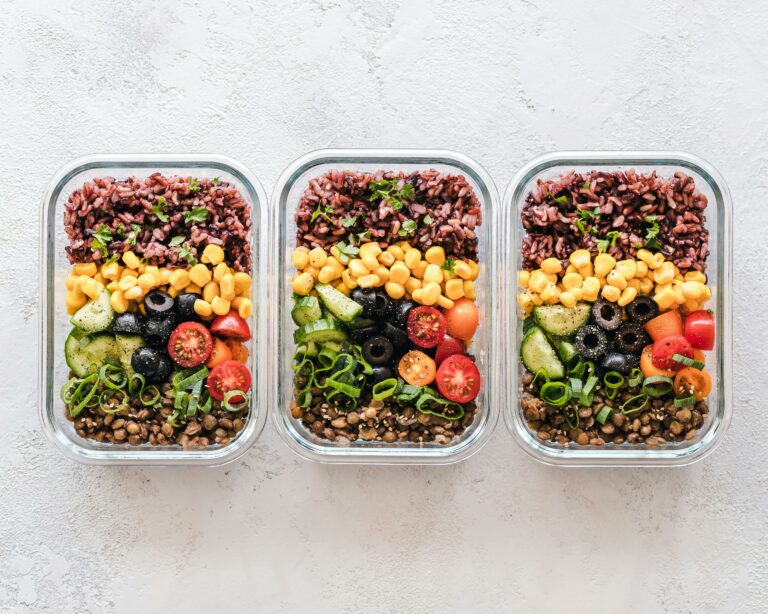
For muscle gain, it’s important to consume a balanced diet that provides the necessary nutrients to support muscle growth and recovery. Here’s a breakdown of essential foods to include in your diet for muscle gain:
1. Protein Sources– Lean meats such as chicken breast, turkey, lean beef, and pork loin.
– Fish like salmon, tuna, and tilapia.
– Eggs, especially egg whites which are high in protein.
– Dairy products such as Greek yogurt, cottage cheese, and milk.
– Plant-based protein sources like tofu, tempeh, lentils, beans, and chickpeas.
2. Complex Carbohydrates – Whole grains such as brown rice, quinoa, oats, barley, and whole wheat bread.
– Starchy vegetables like sweet potatoes, potatoes, and winter squash.
– Legumes including lentils, chickpeas, black beans, and kidney beans.
– Fruits such as bananas, berries, apples, and oranges.
3. Healthy Fats – Nuts and seeds like almonds, walnuts, flaxseeds, chia seeds, and pumpkin seeds.
– Avocado, which is rich in monounsaturated fats.
– Olive oil, coconut oil, and other healthy cooking oils.
– Fatty fish like salmon, mackerel, and trout.
4. Vegetables and Fruits – Colorful vegetables like spinach, kale, broccoli, bell peppers, carrots, and tomatoes for vitamins, minerals, and antioxidants.
– Fruits for additional vitamins, minerals, and fiber.
5. Dairy Products – Greek yogurt, cottage cheese, and milk are excellent sources of protein, calcium, and other essential nutrients.
6. Hydration – Drink plenty of water throughout the day to stay hydrated and support muscle function.
7. Pre- and Post-Workout Nutrition – Consume a balanced meal or snack containing carbohydrates and protein before and after workouts to fuel your muscles and support recovery.
8. Supplements (optional) – Protein powder supplements can be convenient for meeting daily protein needs.
– Creatine monohydrate may help improve strength and muscle gains, especially during resistance training.
– Branched-chain amino acids (BCAAs) can support muscle recovery and reduce muscle soreness.
Remember to spread your protein intake evenly throughout the day and include a variety of foods from different food groups to ensure you’re getting a wide range of nutrients. Additionally, adjust your calorie intake based on your individual energy needs and goals, whether you’re aiming for maintenance, muscle gain, or fat loss.
10 Best Foods for Muscle Gain

Eating the right foods is essential to support muscle growth and repair. Here are some of the best foods to include in your diet:
1. Lean Beef: High in protein, creatine, and B vitamins.
2. Chicken Breast: High in protein and low in fat.
3. Cottage Cheese: High in casein protein, slow-digesting and keeps you full longer.
4. Eggs: High in protein and healthy fats.
5. Greek Yogurt: High in protein and calcium.
6. Milk: High in protein, carbs, and calcium.
7. Brown Rice: High in carbs and fiber.
8. Oatmeal: High in complex carbs and fiber.
9. Quinoa: High in protein, fiber, and complex carbs.
10. Fruits and Vegetables: High in antioxidants, vitamins, and minerals.
Incorporating these foods into your diet, along with proper nutrition and training, can help you achieve your muscle gain goals faster.